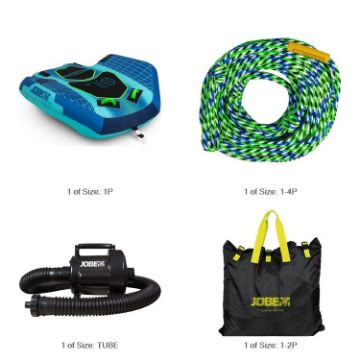
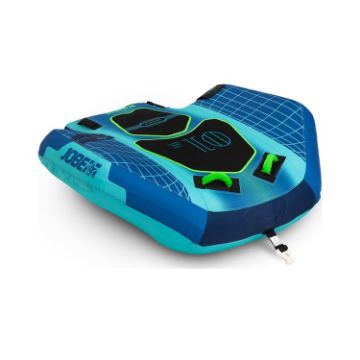
Sizing Info For Towable Tubes
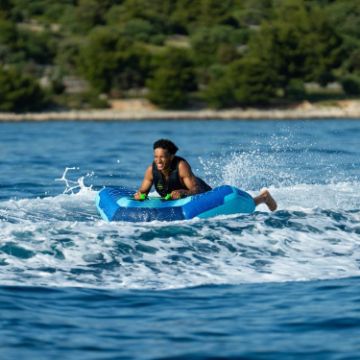
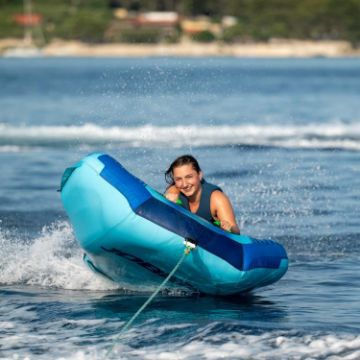
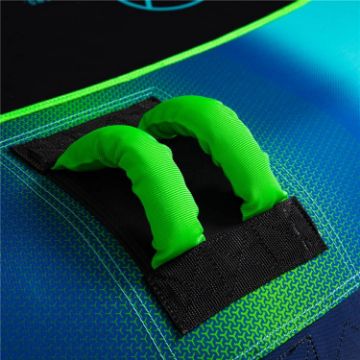
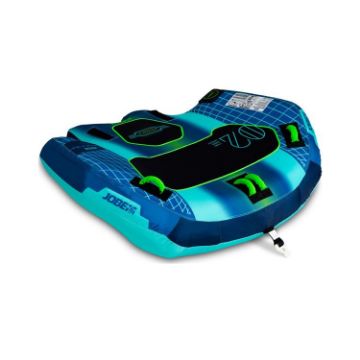
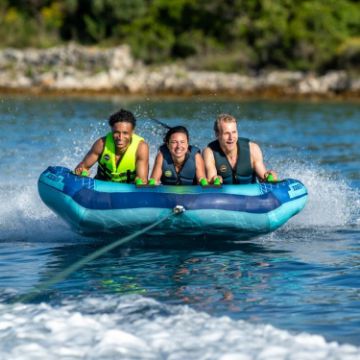
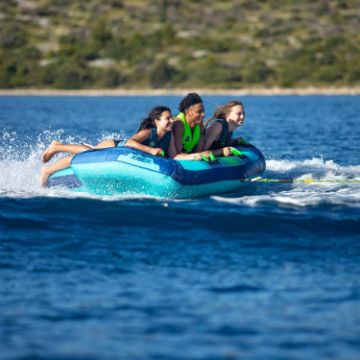
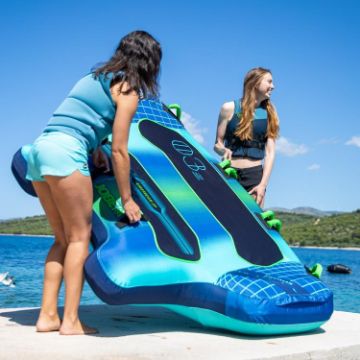
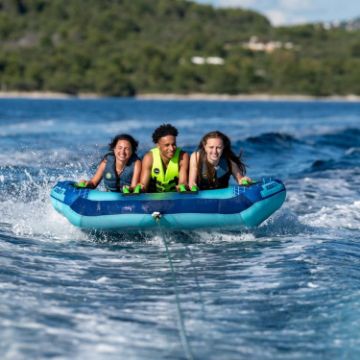
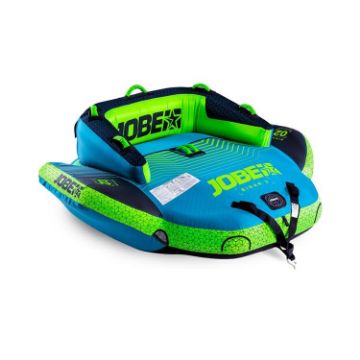
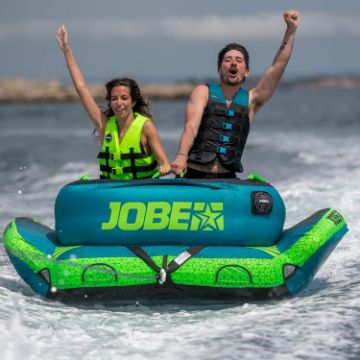
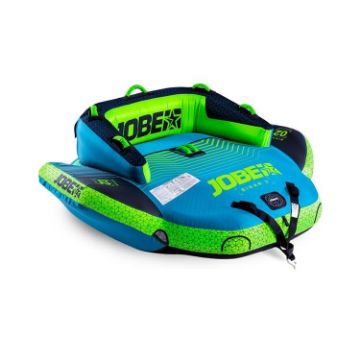
While towable tubes don’t have traditional "fit guides," selecting the right model depends entirely on matching your guest capacity with the capabilities of your tow vessel. Each tube is engineered with a specific maximum weight limit and a dedicated number of handles and seating "cockpits" to keep guests safely separated and secure throughout the ride.
It is critical to ensure your tender or jet ski is not overpowered by an excessively large tube. A common mistake is choosing a multi-person towable that creates more drag than the tow vehicle can safely manage. When a tube is too large for the vessel’s displacement and horsepower, it can strain the engine and compromise your steering... a situation we refer to as "the tail wagging the dog," potentially pulling the stern of the boat off course during turns.
For a professional and safe operation, your tow vehicle must have enough power to pull the tube onto a clean plane effortlessly while maintaining the traction needed to stay in command of the tow line's tension. Overloading doesn't just risk mechanical wear to your transom or engine; it significantly reduces your ability to maneuver quickly in an emergency.
We always recommend checking your tender’s specifications to ensure the combined weight of the tube and its riders stays within safe handling limits. Keep in mind that balance is key: exceeding the maximum load is dangerous, but operating a large tube significantly below its minimum load-such as placing a single small child on a four-person deck-can make the tube light enough to catch the wind and flip.
Regarding younger guests, we suggest a sensible minimum age of five or six years old, ensuring they have the physical grip strength to hold on independently. By matching your guest group to the tube’s intended capacity, you maintain the correct center of gravity and provide the stable, premium experience your guests expect.